 Pin It
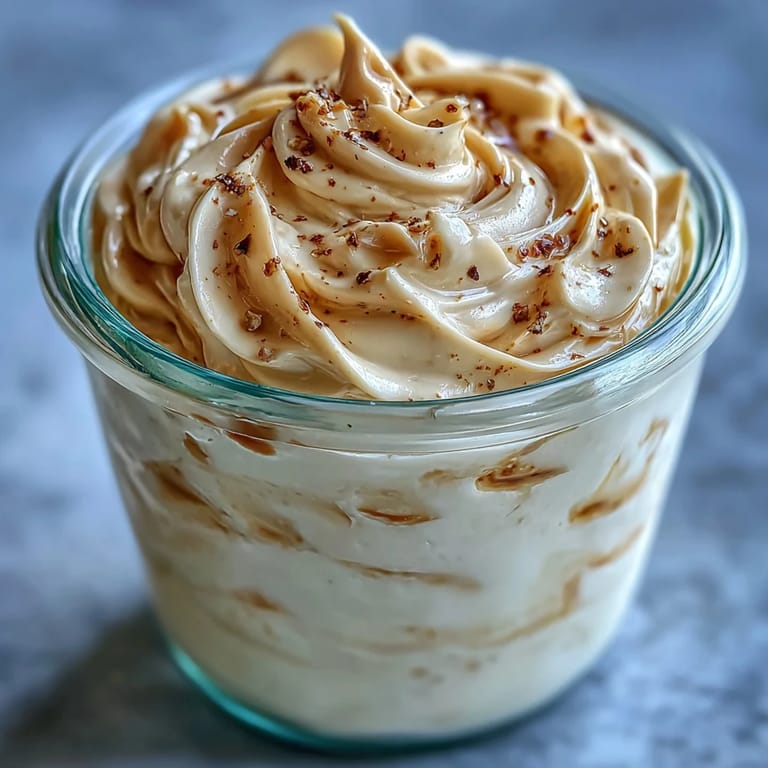
 The first time I tried making mayonnaise from scratch, I was skeptical about how easy people claimed it was, especially with an immersion blender. The hum of the blender mixed with the sharp scent of mustard filled my kitchen, and suddenly everything transformed from liquid to creamy magic. I remember glancing at the clock, surprised that only a few minutes had disappeared. Nothing beats the moment when you see it thicken and realize you've just made mayo yourself. I've since found myself whipping up a batch while prepping for a spur-of-the-moment sandwich lunch.
My cousin once came over, convinced I was exaggerating about how fast this mayo happens. Right in front of her, I plopped the egg into the jar, pulsed the blender, and within seconds, the kitchen went quiet except for our laughter. She helped spoon the creamy mayo onto slices of bread, and we ended up making impromptu aioli with a crushed garlic clove. It's often little moments like these, with friends gathered and curiosity sparked, that turn ordinary recipes into little memories.
Ingredients
- Large egg (room temperature): Using a room temperature egg gives you a smoother, richer emulsion and avoids a cold, separated mess—I learned this after forgetting to warm the egg once.
- Dijon mustard: This adds both flavor and stability to the mayo; I sometimes swap for whole-grain mustard when feeling adventurous.
- White wine vinegar or lemon juice: The tang is essential, and lemon juice makes the mayo extra bright; more acid? A touch more kick.
- Neutral oil (sunflower, canola, or light olive oil): Choose an oil without strong flavor so the mayo stays subtle—light olive oil works but is more assertive.
- Fine sea salt: The salt brings all the flavors together and sharpens the taste of each bite.
- Freshly ground black pepper (optional): Just a dash adds gentle heat, but sometimes I skip it when making mayonnaise for picky kids.
Tired of Takeout? 🥡
Get 10 meals you can make faster than delivery arrives. Seriously.
One email. No spam. Unsubscribe anytime.
Instructions
- Prep Your Container:
- Grab a tall, narrow jar or blending cup and check that your immersion blender fits all the way to the bottom. The aroma as you crack the egg builds anticipation.
- Add the Ingredients:
- Crack the egg in, squeeze in the mustard and vinegar or lemon juice, sprinkle in the salt and pepper if you like; it all looks like a science experiment at this stage.
- Pour in the Oil:
- Carefully add the oil right on top, watching it float over the other ingredients—that's always satisfying.
- Blend to Start Emulsifying:
- Sink your immersion blender to the bottom, then turn it on and let it work: the sound changes as things thicken, and colors shift to creamy pale yellow.
- Finish Blending:
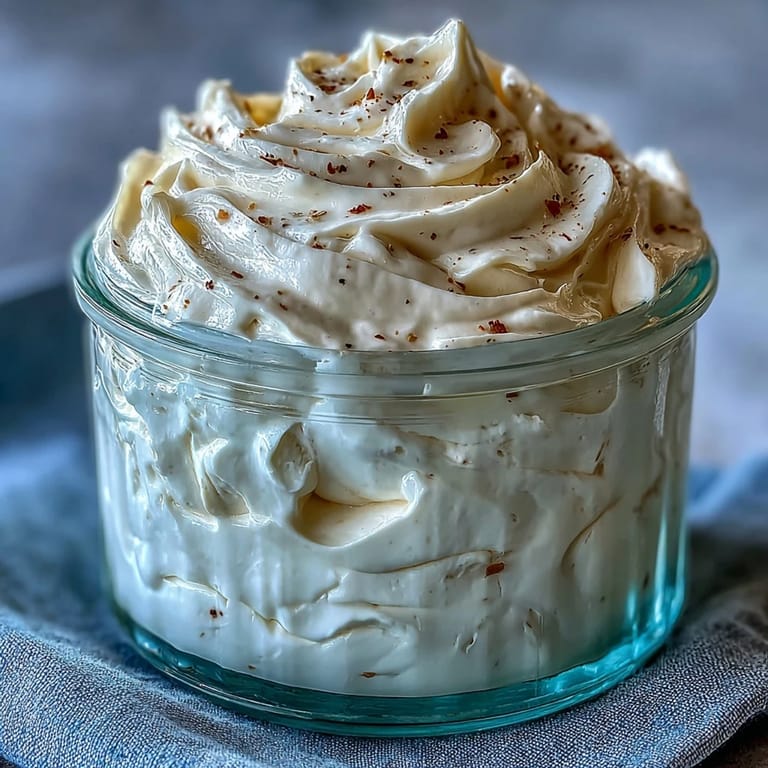
- Move the blender up and down gently, making sure every bit of oil gets mixed in; within 30 seconds, the magic happens—thick, lush mayo.
- Taste and Adjust:
- Pause and taste with a spoon; sometimes you'll want a pinch more salt or a dash more acid for zing.
- Store:
- Spoon the finished mayo into a jar, seal it tight, and pop it in the fridge; the hardest part is waiting for sandwiches to be ready.
 Pin It
 One Saturday morning, after making mayo for brunch, I watched my dad dip roasted potatoes into it and nod appreciatively—without a word. It was in that simple, content moment that homemade mayo felt less like a condiment and more like an invitation for family to linger around the table.
Shortcuts That Save Time
When you're in a hurry, measuring the oil directly into the blending container saves a few precious seconds and reduces cleanup. The immersion blender lets you skip whisking altogether, turning what used to be an arm workout into an easy press of a button. Sometimes I prep the mayo while brewing coffee and feel accomplished before breakfast is even ready.
Ways to Flavor Your Mayo Instantly
A single garlic clove, a pinch of paprika, or even a twist of lime can instantly make this mayo your own. I've tossed in fresh herbs from the garden once on a whim, and the blast of flavor made even plain crackers taste exciting. If you want extra tang, a splash more lemon juice is all it takes.
How to Keep It Fresh and Safe
Always transfer your mayo to a clean jar and keep it in the refrigerator, tightly sealed. Use pasteurized eggs if you're worried about safety, and don't let it linger out at room temperature for more than an hour on busy days.
- Label the jar with the date so you know when it's time to whip up another batch.
- If liquid separates, a quick stir brings it back together.
- Don't freeze homemade mayo—the texture turns grainy and loses all magic.
 Pin It
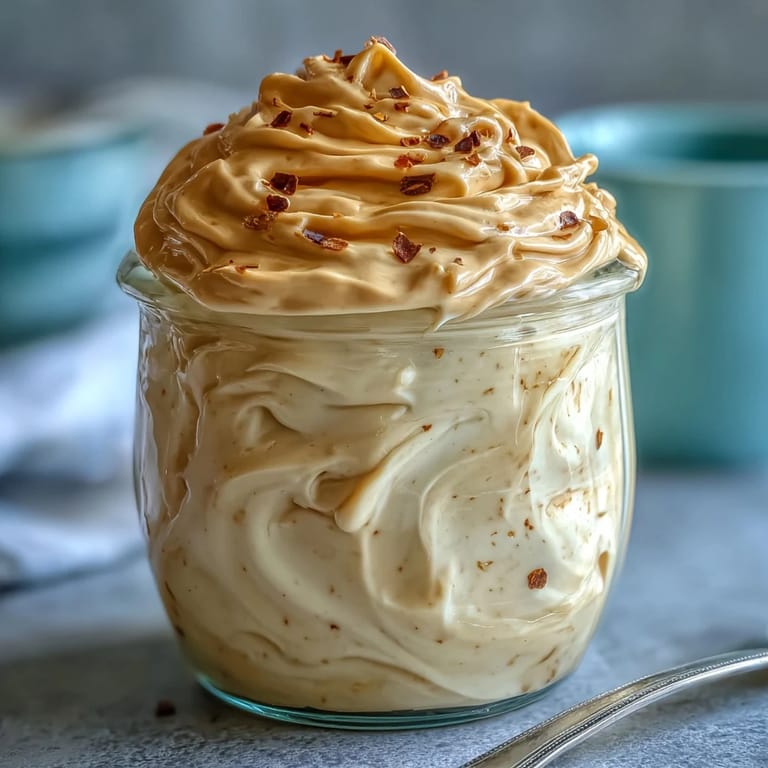
 There's a kind of satisfaction in turning pantry basics into something everyone loves—homemade mayonnaise always invites a smile. Sharing a jar with friends never ceases to impress, especially once they taste that creamy goodness.
Recipe FAQs
- → How do I achieve a thick, creamy texture?
Use room-temperature ingredients and blend slowly with the immersion blender. Keep the blender at the bottom initially, then slowly move it up to fully emulsify the oil.
- → Can I substitute the type of oil?
Neutral oils like sunflower, canola, or light olive oil work best. Olive oil gives a bolder flavor but can be used for variety.
- → Is it safe to use raw eggs?
For safety, use pasteurized eggs, especially if you have health concerns or for serving to vulnerable groups.
- → How can I add flavors?
Try extra lemon juice or vinegar for tang, or blend in a small garlic clove for a garlicky aioli version.
- → How long does homemade mayonnaise last?
Store in a sealed jar in the refrigerator and use within one week for best quality and freshness.
- → What tools are needed for preparation?
An immersion blender, tall blending container, measuring spoons, and jar with a lid are essential for making and storing.