 Pin It
 There's something about the smell of ginger hitting hot oil that makes me stop whatever I'm doing. Years ago, my neighbor brought over a takeout container of noodles that smelled exactly like that, and I spent an embarrassing amount of time trying to recreate it in my own kitchen. Turns out, the secret wasn't some mysterious technique—it was respecting the simplicity of good ingredients and letting them do their job. This dish became my answer to those late nights when I wanted something restaurant-quality but didn't want to leave my apartment.
I made this for a friend who'd been having a rough week, and watching their face light up when they took that first bite reminded me why I cook. They went quiet for a moment—not in a polite way, but in that genuine way where the food actually matters. That's when I knew this wasn't just a recipe; it was something worth perfecting and sharing.
Ingredients
- Wheat noodles (350 g): Lo mein, udon, or ramen all work beautifully here—pick whatever you can find or already have in your pantry, and don't stress about perfection.
- Scallions (4, finely sliced): Use both the white and green parts; the white gives you savory depth and the green adds brightness at the end.
- Fresh ginger (2 tablespoons, finely minced): This is non-negotiable—buy it fresh and don't bother with the jarred stuff for this one.
- Garlic cloves (3, finely minced): Mince them small so they distribute evenly and bloom properly in the hot oil.
- Neutral oil (1/4 cup): Vegetable, canola, or grapeseed all work; you need enough to heat until it's shimmering and fragrant.
- Soy sauce (2 tablespoons): Go for decent quality—this is a starring ingredient, not just a supporting player.
- Rice vinegar (1 tablespoon): The brightness that keeps everything from feeling too heavy; don't skip it.
- Toasted sesame oil (1 teaspoon): A little goes a long way, and it's the thing that makes people ask what you're cooking.
- Sugar (1 teaspoon): Just enough to round out the flavors without making anything sweet.
- Ground white pepper (1/2 teaspoon): Optional, but it adds a subtle warmth that works.
- Baby bok choy (200 g): Or spinach, kale, or whatever greens you have—the point is freshness and a little texture.
- Snap peas or snow peas (100 g, trimmed): These stay crisp and give you something to bite into.
- Oil for sautéing greens (1 tablespoon): Keep it separate from your sauce oil so you can control the greens' cooking.
- Salt (1/2 teaspoon): For the greens; taste and adjust as you go.
- Toasted sesame seeds (1 tablespoon): These are what make it look intentional.
- Fresh chili, finely sliced (optional): If you want heat, this is where it happens—add as much as your mood dictates.
- Extra scallions for garnish: Finish with a generous handful of the green parts for color and that fresh bite.
Tired of Takeout? 🥡
Get 10 meals you can make faster than delivery arrives. Seriously.
One email. No spam. Unsubscribe anytime.
Instructions
- Cook your noodles:
- Bring a pot of water to a rolling boil and cook the noodles according to the package instructions—don't overdo it or they'll turn mushy. Drain them in a strainer, then rinse with cold water so they don't stick together.
- Build the sauce base:
- In a heatproof bowl, combine your sliced scallions, minced ginger, and minced garlic—this is your flavor foundation, so take a moment and make sure everything is finely cut.
- Temper the aromatics:
- Heat your neutral oil in a small saucepan over medium-high heat until it shimmers and just starts to smell fragrant, about 2 minutes. Carefully pour it over the scallion-ginger mixture and listen for that satisfying sizzle—it should smell incredible at this point.
- Finish the sauce:
- Once the sizzling stops, stir in your soy sauce, rice vinegar, sesame oil, sugar, and white pepper if using. Give it a good mix and taste it; this is your moment to adjust anything that feels off.
- Sauté the greens:
- While the sauce is cooling slightly, heat 1 tablespoon of oil in a large skillet or wok over medium-high heat. Add your bok choy and snap peas, sprinkle with salt, and sauté for about 2 to 3 minutes until they're tender but still have some brightness and crunch to them.
- Bring it together:
- Put your drained noodles into a large bowl and pour that ginger-scallion sauce over them. Toss everything together until the noodles are evenly coated and the aroma hits you.
- Plate and finish:
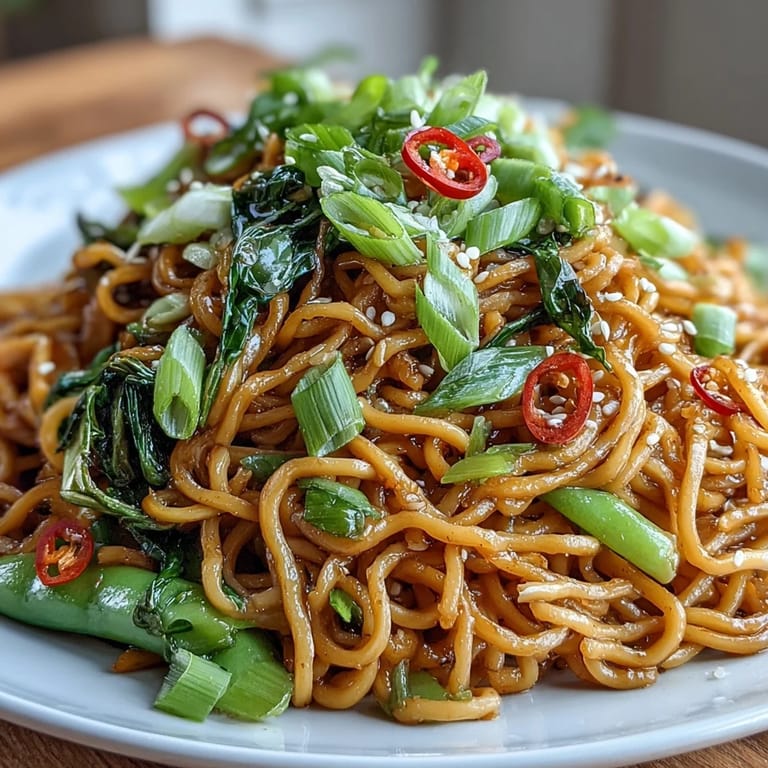
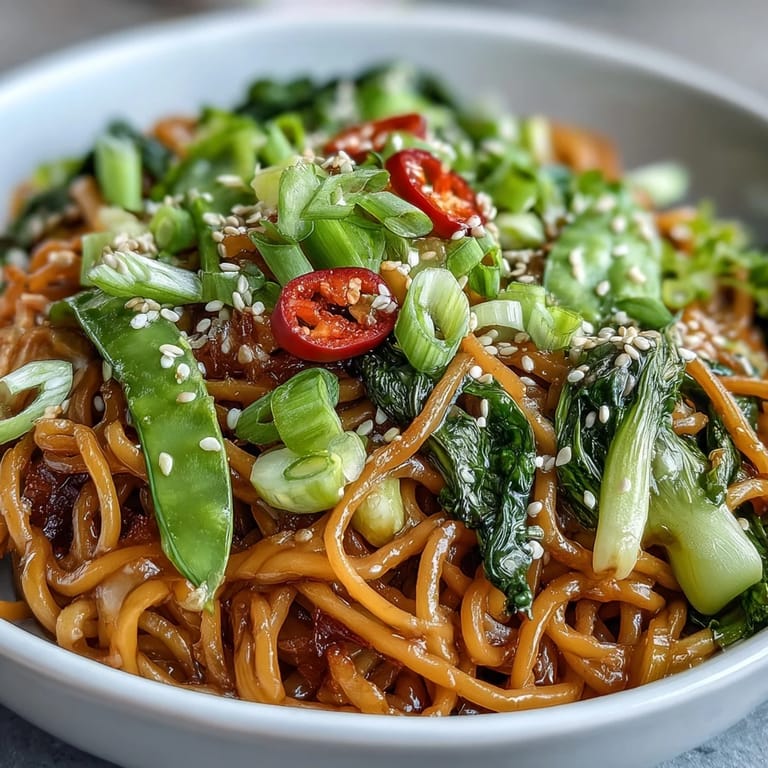
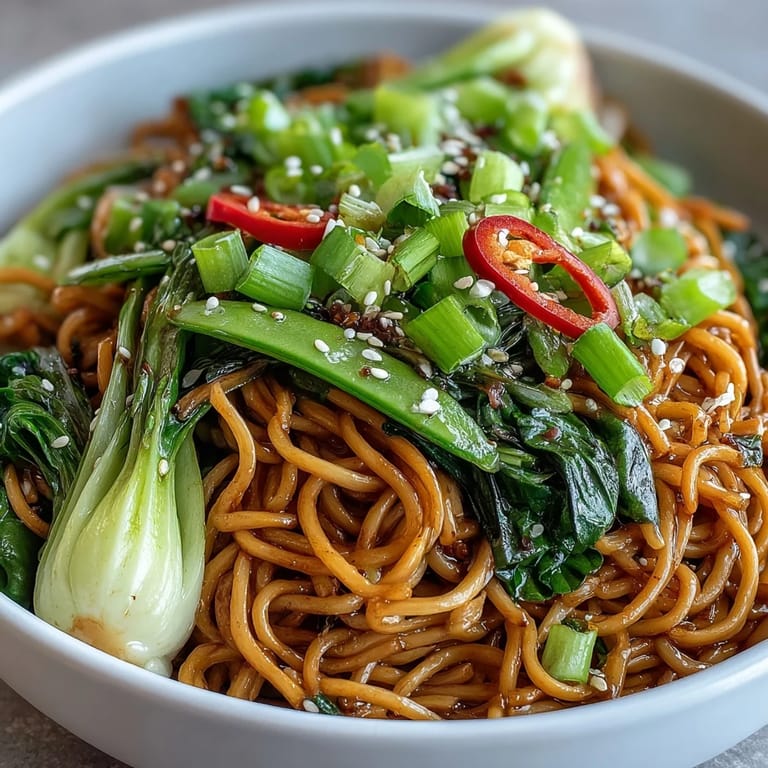
- Divide the noodles among bowls, top each with some of the sautéed greens, and garnish generously with toasted sesame seeds, extra scallions, and fresh chili if you're in the mood for heat. Serve immediately while the noodles are still warm and the greens are still bright.
 Pin It
 The first time someone told me this dish reminded them of the noodle shop they'd visited once in Taiwan, I felt this small rush of pride. Food has this quiet way of being a bridge—it doesn't need a dramatic story, just honest technique and ingredients that matter.
Why the Ginger-Scallion Sauce Works
The magic happens when hot oil meets the raw aromatics—it's not cooking them in the traditional sense, but rather unlocking everything they have to offer in one fragrant moment. The oil carries those flavors and coats every strand of noodle, while the soy sauce and vinegar keep things savory and bright. Sesame oil and a touch of sugar round everything out into something that tastes far more complex than its humble ingredient list suggests.
Timing and Texture
The rhythm of this dish matters more than precision—noodles should be warm, greens should be crisp, and sauce should be at room temperature by the time everything comes together. I've learned to not stress about having everything perfectly ready at once; as long as your noodles and sauce are done first, you have a window to sauté your greens without pressure. The whole meal feels calm and composed when you don't rush it.
Customization and Adaptations
This is genuinely a dish that invites you to make it your own—whether that means adding protein, adjusting the heat level, or swapping in whatever greens you have on hand. I've made it with tofu scrambled in, with leftover rotisserie chicken shredded on top, and once with tempeh that I'd marinated in a little extra soy sauce. The foundation is solid enough to handle whatever direction you want to take it.
- Add tofu, tempeh, shredded chicken, or even a poached egg for extra protein that feels natural to the dish.
- Mix a drizzle of chili oil into the sauce if you want more heat without adding fresh chili slices.
- Substitute any seasonal greens you prefer—mustard greens, Chinese broccoli, or even regular spinach all work beautifully.
 Pin It
 This dish has become my go-to when I want to remind myself why I love cooking—it's simple enough to make on a Tuesday night, but good enough to serve when people matter. Every time I pour that hot oil over the ginger and scallions, it smells like home.
Recipe FAQs
- → What types of noodles work best?
Wheat-based noodles like lo mein, udon, or ramen provide the best texture, while rice noodles offer a gluten-free alternative.
- → How do I make the ginger-scallion sauce?
Combine finely sliced scallions, minced ginger and garlic, then pour hot neutral oil over them. Stir in soy sauce, rice vinegar, toasted sesame oil, sugar, and white pepper for a fragrant blend.
- → Can I substitute the greens?
Yes, baby bok choy can be swapped for spinach, kale, or Swiss chard depending on your preference and availability.
- → How do I add extra protein?
Incorporate tofu, tempeh, or shredded chicken to boost protein while maintaining the dish's balance and flavors.
- → What’s the best way to serve this dish?
After tossing noodles in the sauce, top with quickly sautéed greens, toasted sesame seeds, extra scallions, and optional fresh chili slices for a vibrant presentation.