 Pin It
 There's something about the smell of mushrooms hitting hot oil that stops me mid-thought every time. Years ago, a friend brought over a thermos of this soup on a particularly gray November afternoon, and I remember being struck by how something so simple—just vegetables, barley, and broth—could taste so complete. The earthiness of the mushrooms mixed with the chewy resistance of the barley felt like a hug in a bowl, and I've been making it ever since.
I made this for my partner during a cold snap when we'd both been under the weather, and the kitchen filled with this warm, almost medicinal aroma that felt like the apartment was taking care of us. They had a bowl at the kitchen counter, still in their sweats, and asked for seconds before finishing the first. Sometimes a recipe earns its place in your rotation not because it's fancy, but because it shows up when you need it most.
Ingredients
- Olive oil: This is your base for building flavor, so don't skimp or use the cheap stuff that smells like nothing.
- Onion: The aromatic foundation that sweetens as it cooks and anchors everything else.
- Garlic: Two cloves is just enough to whisper its presence without overwhelming the earthy vegetables.
- Carrots and celery: The classic mirepoix pair that adds natural sweetness and body to the broth.
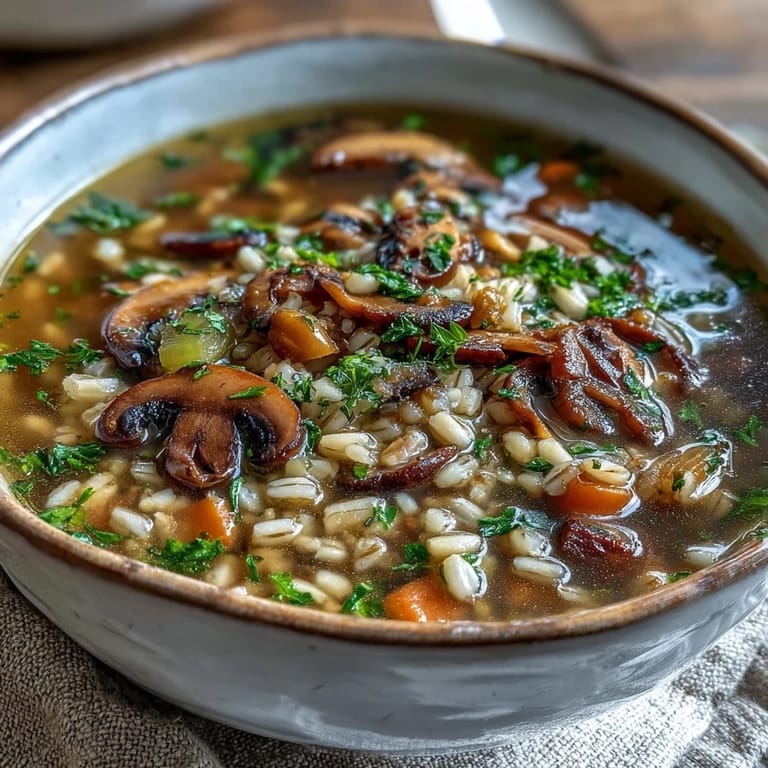
- Mushrooms: Cremini or button mushrooms are your best choice here because they brown beautifully and release their umami as they cook down.
- Dried thyme and oregano: Mediterranean herbs that tie the whole thing together without needing fresh herbs in every step.
- Pearl barley: Rinse it first to remove the starchy coating, and it'll become creamy and tender rather than gluey.
- Vegetable broth: Use good broth if you can find it, because it's the liquid backbone of everything tasting right.
- Bay leaf: Adds a subtle depth that you won't taste directly but will absolutely miss if it's not there.
- Salt, pepper, and lemon juice: Season generously at the end because that's when the soup reveals what it's been building toward.
Tired of Takeout? 🥡
Get 10 meals you can make faster than delivery arrives. Seriously.
One email. No spam. Unsubscribe anytime.
Instructions
- Start with the aromatics:
- Heat your olive oil over medium heat and add the chopped onion, letting it cook undisturbed for about three minutes until it turns translucent and soft. You'll know it's ready when you can easily break a piece apart with the back of your spoon.
- Build the base:
- Stir in the garlic, carrots, and celery, cooking for five minutes while stirring occasionally. The kitchen will smell incredible, and the vegetables will start to soften at the edges.
- Let the mushrooms shine:
- Add your sliced mushrooms and cook for six to eight minutes, stirring from time to time, until they've released their moisture and the pan looks slightly browned. This browning is where the magic happens—it's not burning, it's caramelizing.
- Season the vegetables:
- Sprinkle in your thyme and oregano, stirring gently to coat everything evenly. Breathe in this moment because the aroma is about to become the soup's signature.
- Add the grains and broth:
- Pour in your rinsed barley, vegetable broth, and bay leaf, stirring everything together until the barley starts to distribute throughout. The broth should look slightly milky from the barley's starch.
- Simmer gently:
- Bring the soup to a boil, then immediately lower the heat to low and let it simmer uncovered for thirty-five to forty minutes. The barley will gradually soften, and the soup will thicken naturally as the barley releases its starch.
- Final touches:
- Remove the bay leaf, then taste and adjust your seasoning with salt, pepper, and a squeeze of lemon juice if you want brightness. Lemon isn't necessary, but it lifts the earthiness in an unexpected way.
 Pin It
 My mom once told me that the best soups are the ones people come back to, not because they're trying to impress, but because they genuinely want that feeling again. This soup does that—it's become the thing I make when someone needs feeding, whether that's body or spirit.
How to Make It Your Own
The beauty of this soup is that it doesn't demand perfection, only intention. I've added diced potatoes in the last fifteen minutes for extra heartiness, and I've stirred in a tablespoon of soy sauce with the broth when I wanted something earthier and more savory. A handful of chopped kale in the final minutes adds green and nutrition without changing the fundamental character of the dish. The base is sturdy enough to carry variations without collapsing.
Storage and Leftovers
This soup is one of those rare dishes that genuinely improves overnight as the flavors continue to meld and the barley absorbs more broth. Store it in an airtight container in the refrigerator for up to four days, and when you reheat it, you might need to add a splash more broth since the barley keeps drinking. It also freezes well for up to two months, though the barley's texture changes slightly after freezing.
The Right Bowl Matters
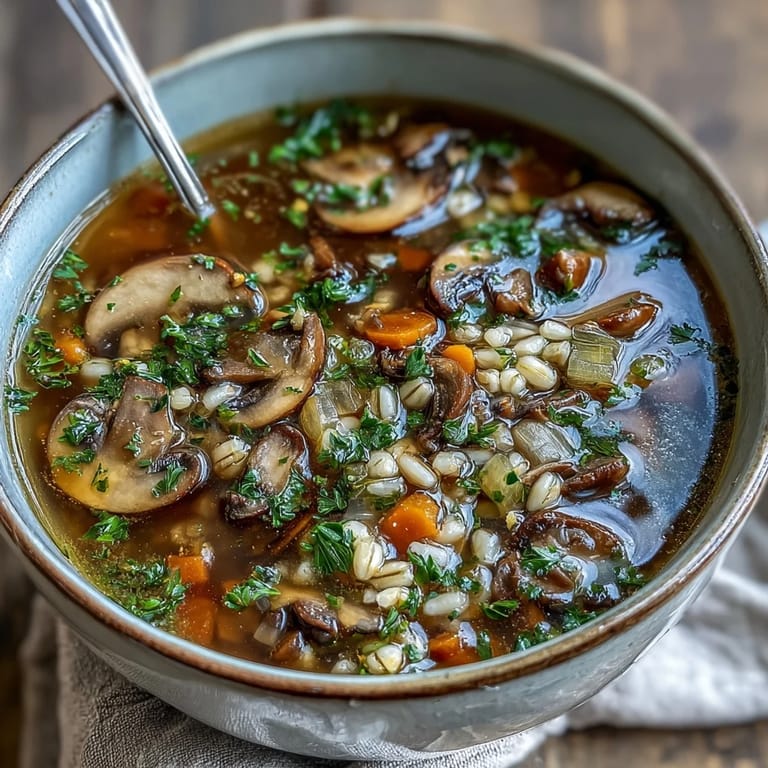
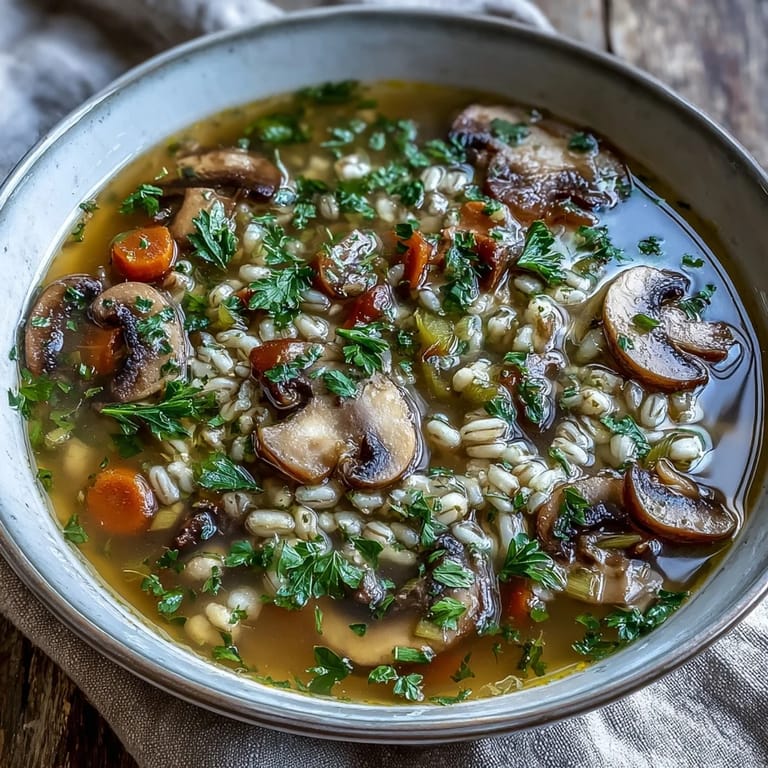
There's a reason this soup tastes better in a proper soup bowl instead of a mug—the surface area lets the aroma reach your nose with each spoonful, and the weight of the bowl in your hands signals to your body that something nourishing is about to happen. If you have fresh parsley, a small handful scattered on top catches the light and makes people want to eat it immediately.
- Serve this soup hot in warmed bowls for maximum comfort factor.
- A crusty piece of bread on the side is completely optional but absolutely recommended.
- This is the kind of soup that tastes best when you're not in a hurry to eat it.
 Pin It
 This soup is an invitation to slow down, to let something simple become something sustaining. Make it often enough and it becomes less of a recipe and more of a reflex—the thing your hands know how to do when comfort matters most.
Recipe FAQs
- → Is pearl barley gluten-free?
No, pearl barley contains gluten. If you need a gluten-free alternative, consider using quinoa or rice instead, and always verify your vegetable broth is certified gluten-free.
- → Can I make this soup ahead of time?
Yes, this soup actually tastes better the next day as flavors have time to meld. Store in an airtight container in the refrigerator for up to 4 days. The barley will continue absorbing liquid, so you may need to add more broth when reheating.
- → What type of mushrooms work best?
Cremini or button mushrooms are recommended for their balance of flavor and texture. For deeper earthiness, try adding shiitake or portobello mushrooms. Dried porcini mushrooms rehydrated in the broth also add intense umami flavor.
- → How do I store leftovers?
Cool the soup completely before transferring to an airtight container. Refrigerate for up to 4 days or freeze for up to 3 months. When reheating, add additional vegetable broth since the barley continues absorbing liquid as it sits.
- → Can I add protein to this soup?
While the soup already contains 6g of protein per serving from the barley, you can add white beans during the last 15 minutes of cooking, or serve with crusty bread and cheese. For a non-vegetarian version, diced chicken or pancetta works well.
- → Why is my soup too thick?
Pearl barley naturally releases starch and absorbs liquid as it cooks, thickening the soup. If it becomes too thick for your liking, simply add more vegetable broth or water until you reach the desired consistency. The soup will continue thickening as it cools.