 Pin It
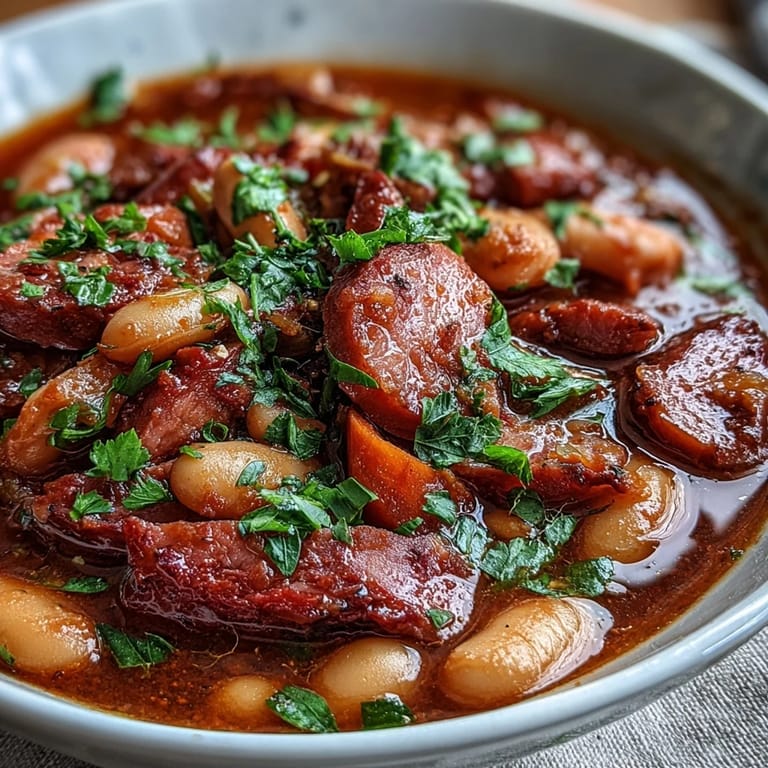
 There's something about the smell of ham and beans simmering together that makes a kitchen feel instantly warmer, like the stew knows exactly when you need comfort most. I discovered this particular combination on a particularly gray January afternoon when my pantry was fuller than my dinner ideas, and I had a hunk of ham left over from the holidays. What started as an improvisation became the kind of dish I now make without thinking, my hands moving through the motions while my mind wanders elsewhere.
My neighbor stopped by unexpectedly one evening while this was bubbling away, and the aroma pulled her straight into the kitchen before I'd even finished greeting her. By the time we'd caught up properly, I was ladling bowls into mismatched crockery, and somehow a casual Tuesday turned into the kind of meal that makes people linger at the table longer than they planned to.
Ingredients
- Cooked ham, diced (400 g): This is your protein anchor, and using good quality ham makes a genuine difference; I learned the hard way that thin-sliced deli ham turns to mush, so look for a thicker cut you can cube yourself.
- Cannellini beans, drained and rinsed (2 cans, 400 g each): These white beans have a naturally buttery texture that thickens the broth without any cream, and rinsing them removes excess sodium that would throw off your seasoning.
- Carrots, diced (2 medium): They sweeten slightly as they cook and add natural body to the stew, so don't skip them even if you're in a hurry.
- Celery stalks, diced (2): This is your aromatic backbone alongside the onion and garlic, building layers of flavor that taste like someone fussed over this for hours.
- Onion, finely chopped (1 large): The finer you chop this, the better it dissolves into the stew, creating a seamless background for everything else.
- Garlic, minced (3 cloves): Fresh garlic is non-negotiable here; jarred garlic turns bitter when simmered this long, something I discovered through frustrating experimentation.
- Canned diced tomatoes (400 g): This adds brightness and acidity that keeps the stew from tasting flat, even though it's warm and comforting.
- Tomato paste (2 tbsp): A concentrated punch of tomato flavor that deepens everything around it, but a little goes a long way.
- Fresh spinach or kale, chopped (2 handfuls, optional): I add this at the very end because it wilts in seconds and brings a subtle earthiness that makes the stew feel complete.
- Chicken or vegetable broth (1 L): Use low-sodium so you can control the salt levels as you taste; I've learned to taste as I go rather than season at the end.
- Bay leaf (1): It's easy to forget this small step, but this single leaf rounds out all the flavors in ways that seem like magic.
- Dried oregano and thyme (1 tsp each): Italian herbs that smell like they're transporting you somewhere warmer, and they bloom beautifully when bloomed in the aromatics.
- Crushed red pepper flakes (1/2 tsp, optional): I add this if I'm feeding people who like warmth without obnoxious heat, keeping it subtle enough that it whispers rather than shouts.
- Olive oil (2 tbsp): Good enough to taste, since it's doing real work in the opening sauté.
- Salt, pepper, fresh parsley, and Parmesan cheese: These finishing touches are where your personal touch comes through, so taste boldly and adjust to your preference.
Tired of Takeout? 🥡
Get 10 meals you can make faster than delivery arrives. Seriously.
One email. No spam. Unsubscribe anytime.
Instructions
- Build Your Base:
- Heat the olive oil in a large pot over medium heat until it shimmers slightly, then add your onions, carrots, and celery together. Let them soften for about eight minutes, stirring occasionally, until the onions turn translucent and your kitchen starts smelling like something good is happening.
- Bloom the Aromatics:
- Stir in the minced garlic, tomato paste, oregano, and thyme, and cook for just about a minute until everything becomes fragrant and the tomato paste deepens in color. This brief moment is crucial because it unlocks flavors that have been quietly waiting in the spices.
- Introduce the Ham:
- Add your diced ham and let it cook for two to three minutes, stirring occasionally so it browns slightly at the edges. This isn't just about heating it through; those browned edges add a savory depth that makes people wonder what your secret is.
- Add the Liquid Base:
- Pour in the canned tomatoes and broth, then add the bay leaf and bring everything to a boil, which takes about five to eight minutes. You'll notice the color deepens and the surface will start dancing gently.
- Simmer Low and Slow:
- Reduce the heat to low, add your drained cannellini beans, and cover the pot partially so steam can escape but flavors stay put. Let this simmer for about fifty minutes, stirring occasionally and adjusting the heat if it's boiling too aggressively rather than gently simmering.
- Finish with Greens:
- In the last five minutes, add your chopped spinach or kale if you're using it, and let it wilt into the stew until it's tender and dark. Now taste everything carefully, adjusting salt, pepper, and red pepper flakes until it tastes exactly like you want it to.
- Serve with Love:
- Remove the bay leaf, ladle the stew into bowls, and top with fresh parsley and grated Parmesan if you'd like. There's something deeply satisfying about the contrast of the warm stew and that salty cheese on top.
 Pin It
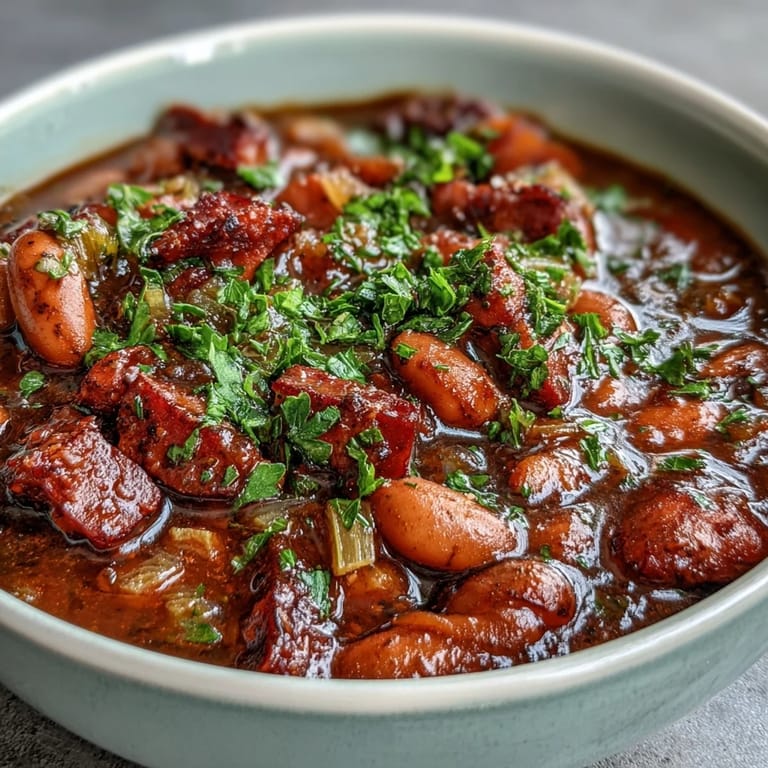
 My daughter asked for seconds that first time I made this, which meant more to me than any compliment could, and since then it's become one of those dishes that appears regularly on our winter table. There's quiet comfort in knowing how to make something that fills both bellies and the space around the table.
Why This Stew Works Every Time
The beauty of this stew lies in how forgiving it is, which is probably why it became such a regular part of my cooking rotation. The beans provide natural creaminess without any cream, the ham brings saltiness and depth without needing stock made from bones, and the vegetables become so tender they practically melt into each other. You can't really oversimmer this stew the way you might oversimmer a delicate soup, because everything just becomes softer and more melded together.
The Magic of Timing and Temperature
What I've learned through making this repeatedly is that the temperature matters more than the exact timing, because a gentle simmer will cook through beans in fifty minutes while a rolling boil might break them apart or toughen the ham. The stew tells you when it's ready through small signs: the beans should yield easily to a spoon, the ham should be tender enough that it pulls apart with the slightest pressure, and the broth should have deepened in color to something rich and complex. This is not a stew that benefits from rushing, but it also isn't one that demands precise timing down to the minute.
Serving and Storing Your Stew
This stew actually improves after sitting for a day in the refrigerator, as the flavors settle and marry into something even more cohesive than the first night. I've learned to make it on a day when I want leftovers, because reheating it gently brings back all the warmth and comfort without losing anything to the process. Pair it with good crusty bread that can soak up every bit of broth, and you have something that feels both simple and deeply satisfying.
- Leftovers keep in the refrigerator for up to four days, and freeze beautifully for up to three months if you leave a little headspace in your container.
- Reheat gently over medium-low heat rather than blasting it at high temperature, which helps the flavors stay rounded and prevents the beans from falling apart.
- If you're serving a crowd, this recipe doubles easily and actually benefits from the extra time it takes to simmer in a larger batch.
 Pin It
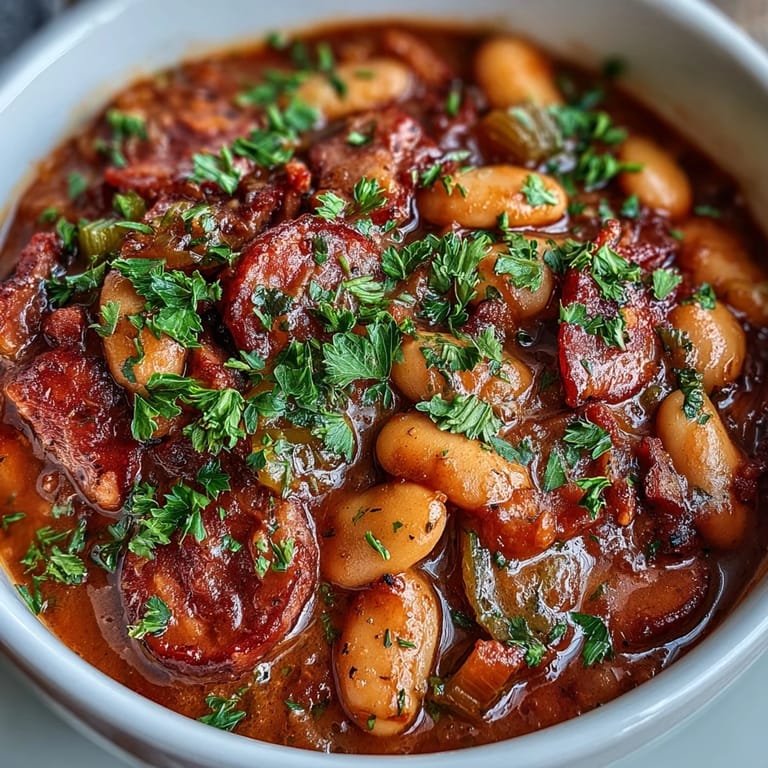
 This stew has become the kind of dish I make without consulting the recipe anymore, which is how I know it's truly become mine. There's something quietly powerful about feeding people something warm and honest that tastes like it came straight from an Italian grandmother's kitchen, even if it started as an improvisation on a gray January day.
Recipe FAQs
- → Can I substitute the ham with another meat?
Yes, smoked turkey or pancetta can be used for a similar smoky flavor, adjusting cooking times accordingly.
- → What type of beans are best for this stew?
Cannellini beans are ideal for their creamy texture, but other white beans like great northern or navy beans can also work well.
- → How can I make the stew more flavorful?
Using a ham bone or smoked ham hock during cooking adds extra depth and richness to the broth.
- → Can I prepare this stew in advance?
Absolutely. This stew tastes even better the next day as the flavors meld. Store refrigerated and reheat gently before serving.
- → What herbs complement the flavors best?
Dried oregano, thyme, and bay leaf provide a classic herbal aroma that enhances the savory ingredients beautifully.
- → Is it possible to add greens to this dish?
Yes, adding chopped spinach or kale in the final minutes of cooking adds color and nutrition without overpowering the stew.