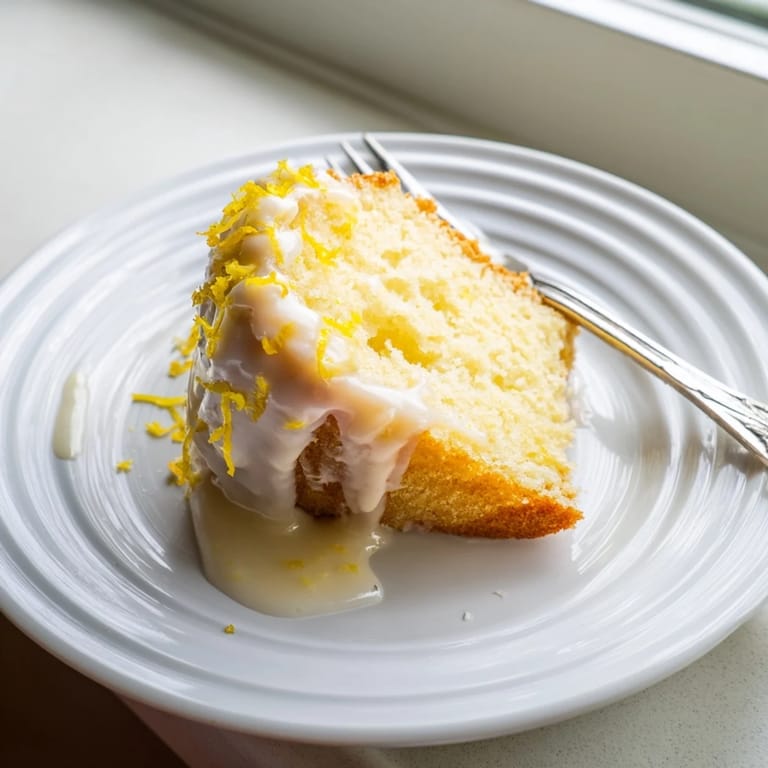
 Pin It
 My grandmother kept lemons in a ceramic bowl on her windowsill, and I can still picture the way afternoon light caught the yellow skins while she measured flour for what she called her sunshine cake. The whole house would fill with this bright, citrus perfume that made even gray winter days feel like spring. She never used a recipe card, just knowing by the weight of the butter in her palm and the shade of yellow in the zest whether it would be a good day for baking. That's the magic this lemon pound cake carries—its not just dessert, its a memory in the making.
I brought this cake to a book club meeting once, and the hostess actually stopped mid conversation when she took her first bite. She said it reminded her of the lemon cakes her mother made for special occasions, the kind that make you close your eyes and savor something. We spent the next hour talking more about family recipes and kitchen memories than the actual book. Sometimes food does that—opens doors to stories you didnt know you needed to hear.
Ingredients
- Unsalted butter: Room temperature butter is non negotiable here—it creates that signature tender crumb and gives the cake its rich density
- Granulated sugar: Creaming this thoroughly with the butter creates the air pockets that make the cake rise properly
- Large eggs: Bring these to room temperature first so they emulsify smoothly into the batter
- Whole milk: The fat content keeps the cake moist and prevents it from becoming too dense
- Fresh lemon juice: Bottled juice cannot compare—you need that bright, acidic punch that only fresh lemons provide
- Lemon zest: This is where most of the lemon flavor lives, so zest thoroughly and avoid the bitter white pith
- All purpose flour: Provides structure without making the cake tough
- Baking powder: Gives the cake just enough lift to rise beautifully in the oven
- Salt: Enhances all the flavors and keeps the cake from tasting flat or overly sweet
- Powdered sugar: Creates the smooth pourable glaze that finishes the cake with sweetness and shine
Tired of Takeout? 🥡
Get 10 meals you can make faster than delivery arrives. Seriously.
One email. No spam. Unsubscribe anytime.
Instructions
- Get your oven and pan ready:
- Preheat to 350°F and grease a 9x5 inch loaf pan thoroughly, getting into all the corners
- Cream the butter and sugar:
- Beat them together for a full 3 to 4 minutes until the mixture looks pale and fluffy
- Add the eggs:
- Drop them in one at a time, letting each one fully incorporate before adding the next
- Whisk your liquids together:
- Combine the milk, lemon juice, and lemon zest in a small bowl
- Mix the dry ingredients:
- Whisk the flour, baking powder, and salt in a separate bowl so everything is evenly distributed
- Combine everything gently:
- Add the flour mixture in three parts, alternating with the milk mixture, starting and ending with flour—mix only until you no longer see dry streaks
- Bake until golden:
- Pour the batter into your prepared pan, smooth the top, and bake for 50 to 55 minutes until a toothpick comes out clean
- Let it cool properly:
- Wait 10 minutes in the pan, then turn the cake out onto a wire rack to cool completely
- Make the glaze:
- Whisk powdered sugar with just enough lemon juice to make it thick but pourable
- Finish with the glaze:
- Drizzle it over the cooled cake and let it set before slicing into thick pieces
 Pin It
 My sister requested this cake for her birthday instead of a frosted layer cake, which surprised me until she explained that it tastes like something from a French patisserie but feels like home. We ate it on her back porch with coffee, and she told me it was exactly what she wanted—simple, perfect, not trying too hard. That's when I understood that sometimes the most humble desserts are the ones people remember most fondly.
Getting The Most Lemon Flavor
Roll your lemons firmly on the counter before zesting—this breaks down the internal membranes and releases more oil from the skin. I also like to zest directly over the sugar mixture sometimes, letting the citrus oils infuse the sugar before adding other ingredients. Every bit of flavor extraction counts when youre working with such a simple recipe.
Storage Tips
This cake actually improves on day two as the flavors meld and the texture becomes even more tender. Wrap it tightly in plastic wrap or store in an airtight container at room temperature—refrigeration will make it stale faster. You can also freeze individual slices wrapped in plastic and foil for up to two months.
Serving Suggestions
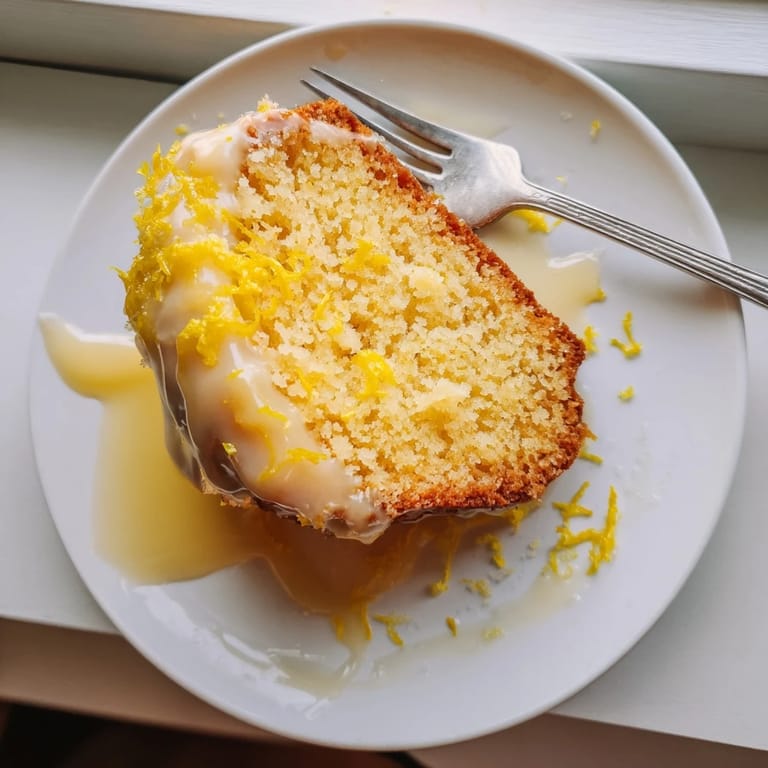
A slice of this cake needs nothing more than a cup of tea or coffee, but I've learned that a few thoughtful additions can turn it into something truly special. The sweetness balances beautifully with tart fruit or creamy elements.
- Fresh berries are the perfect companion—strawberries, raspberries, or blueberries add brightness
- A dollop of lightly sweetened whipped cream makes it feel like a restaurant dessert
- Try toasting leftover slices—the warm cake with melting glaze is absolutely worth trying
 Pin It
 There is something deeply satisfying about a cake that relies on nothing more than good ingredients and proper technique. This lemon pound cake has become my go to for bringing a little sunshine into any day.
Recipe FAQs
- → How do I know when the cake is done baking?
Insert a toothpick into the center of the cake—if it comes out clean or with just a few moist crumbs, the cake is ready. The top should be golden brown and the edges should start pulling away from the pan slightly.
- → Can I make this cake ahead of time?
Absolutely. This lemon pound cake actually improves in flavor after a day. Wrap it tightly in plastic wrap and store at room temperature for up to 3 days. You can also freeze the unglazed cake for up to 3 months.
- → Why is my cake dense or heavy?
Pound cakes are naturally dense due to the high butter content. However, overmixing the batter can make it too heavy. Mix just until combined after adding the flour, and stop as soon as no dry streaks remain.
- → Can I use bottled lemon juice instead of fresh?
Fresh lemon juice provides the best flavor and acidity balance. Bottled juice can taste artificial or overly acidic. For the zest specifically, fresh lemons are essential—there's no substitute for that aromatic citrus oil.
- → How do I get the glaze to the right consistency?
Start with 2 tablespoons of lemon juice and whisk into the powdered sugar. If too thick to pour, add more juice one teaspoon at a time. The glaze should flow slowly but still coat the back of a spoon.
- → What type of pan works best?
A standard 9x5-inch metal loaf pan produces the most even baking. Glass pans may cause the edges to brown too quickly. Light-colored metal pans are ideal for achieving golden sides without over-browning.