 Pin It
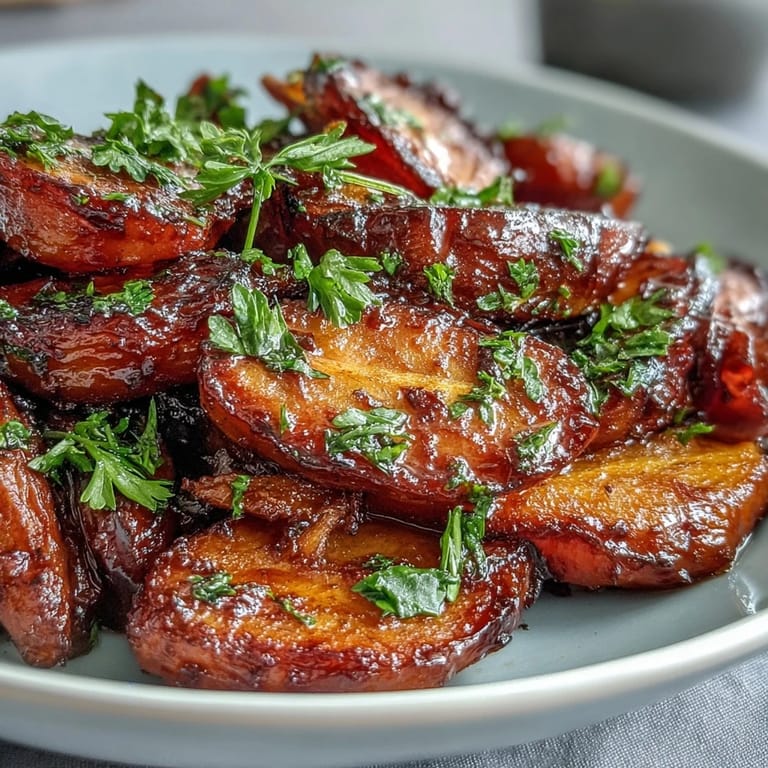
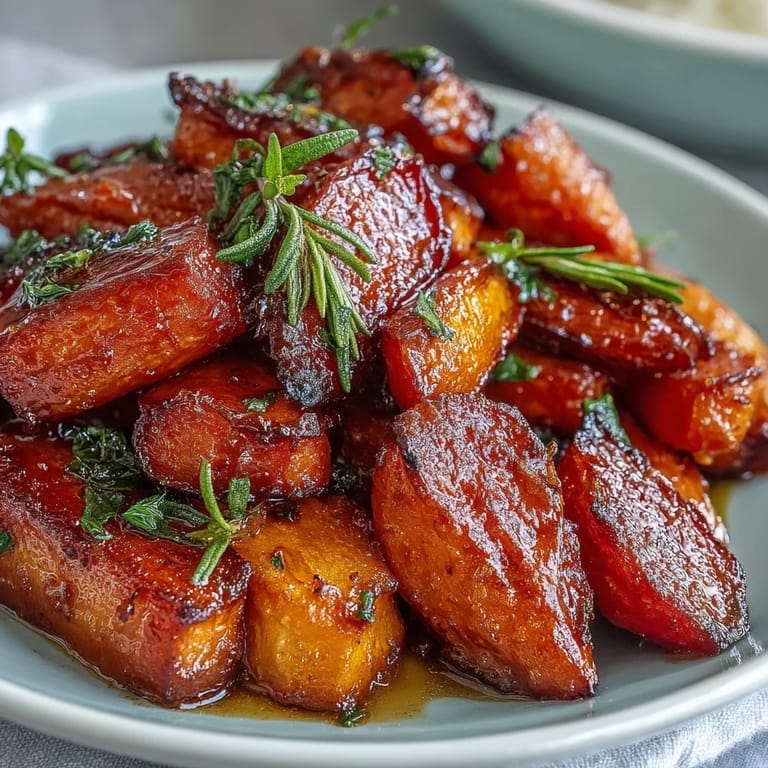
 My aunt pulls these golden sticks from the oven every Easter dinner, and the kitchen fills with this warm, almost caramel-like smell that makes everyone drift toward the kitchen before the ham is even sliced. The first time I made them myself, I was surprised by how the honey doesn't just sweeten the vegetables—it caramelizes their edges into something almost crispy while the insides become butter-soft. There's this magic moment around the 20-minute mark when you stir them and suddenly the whole tray glistens. It's become my go-to side dish whenever I want something that feels special without the stress.
I made this for my neighbor's potluck last fall, and I remember standing in her kitchen watching people actually go back for seconds of a vegetable dish—that never happens. The woman next to me asked what was in them because apparently carrots and parsnips seemed boring, and I got to explain that the whole trick is letting honey do the work. She asked for the recipe right there, still holding her plate.
Ingredients
- Carrots and parsnips: Cut them into roughly the same-sized sticks so they cook evenly; parsnips are earthier than carrots, so the combination balances sweetness with depth.
- Honey: Use the good stuff here—it matters because it's going to be the star, and the real flavor shines through in the glaze.
- Olive oil: This helps the honey coat everything evenly and keeps the vegetables from sticking; extra virgin works beautifully.
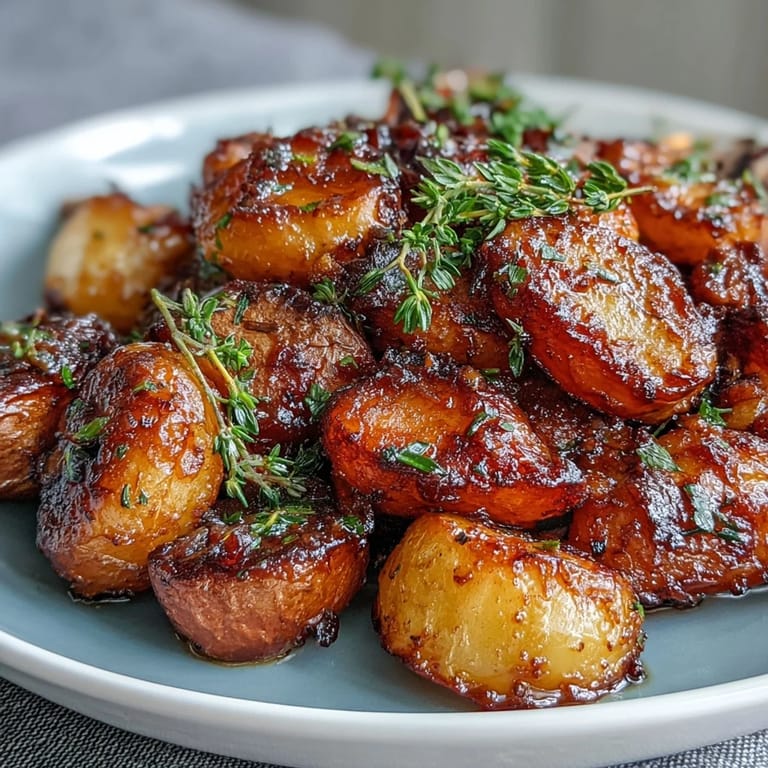
- Fresh thyme: It grounds the sweetness with something herbal and slightly pine-like; dried works in a pinch, but fresh gives you those little leaf flecks that look intentional.
- Sea salt and black pepper: These aren't just seasonings—they wake up the natural sweetness of the vegetables and prevent the dish from tasting one-note.
- Fresh parsley: A small handful sprinkled at the end adds color and a fresh note that cuts through the richness just enough.
Tired of Takeout? 🥡
Get 10 meals you can make faster than delivery arrives. Seriously.
One email. No spam. Unsubscribe anytime.
Instructions
- Set your oven and prep your stage:
- Get the oven heating to 400°F and line your baking sheet with parchment—this prevents sticking and makes cleanup almost painless. Everything should be ready to go before you even touch the vegetables.
- Cut your vegetables into sticks:
- Aim for pieces about the thickness of a pencil and roughly 3 inches long so they roast in the same amount of time. Uneven pieces mean some will be mushy while others are still firm.
- Make your glaze:
- Whisk the honey, olive oil, thyme, salt, and pepper in a small bowl until it's smooth and the thyme is evenly distributed. The honey will be thick, but the oil loosens it up.
- Coat the vegetables thoroughly:
- Toss the carrots and parsnips with the glaze in a large bowl, making sure every stick gets coated; this is the moment that matters because an unglazed carrot will taste plain. Don't be shy—use your hands if needed.
- Spread them on the baking sheet:
- Arrange them in a single layer, trying not to overlap too much so they can caramelize on the sides that touch the pan. A little crowding is fine, but they need some breathing room.
- Roast with one crucial stir:
- After about 15-17 minutes, pull the sheet out and give everything a good toss; this ensures even browning and keeps the bottom pieces from burning. The vegetables will finish tender and golden in another 15-18 minutes.
- Finish and serve:
- Transfer to your serving dish while they're still warm, add the parsley if you're using it, and get them to the table while they have that slight warmth that makes them taste fresher. They'll cool down quickly, but they're delicious at any temperature.
 Pin It
 There's something about watching someone taste these for the first time and their face shift—they're expecting plain roasted vegetables and instead they get this sweet, savory, slightly herbaceous thing that tastes like autumn in the best way. These vegetables stopped being an obligation and became the reason people asked me to bring them.
The Truth About Honey and Heat
Honey behaves differently than other sweeteners when it hits high heat—it caramelizes faster and deeper, which is exactly what we want here. The moment the carrots and parsnips start browning, the honey on their surface shifts from just sweet to complex and almost burnt-sugar tasting, and that's when the magic happens. If your oven runs hot, watch them closer around the 30-minute mark because the difference between caramelized and charred is about two minutes.
Why Parsnips Deserve More Love
Most people grow up thinking parsnips are just pale carrots, but they're actually sweeter and earthier with this subtle nuttiness that becomes pronounced when roasted. When you pair them with regular carrots and honey, the parsnips contribute depth while the carrots brighten things up, creating a complexity that nobody expects from such a simple dish. It's like discovering a secret ingredient that was hiding in the produce aisle the whole time.
Make It Your Own
This recipe is a beautiful canvas for small variations depending on what's in your pantry or what flavors you're craving. I've added a pinch of smoked paprika for depth, a splash of balsamic vinegar for tang, and even a few red pepper flakes when I wanted heat. The glaze structure is forgiving enough that you can swap maple syrup for honey, use dried rosemary instead of thyme, or finish with toasted nuts for crunch.
- A small drizzle of balsamic vinegar added to the glaze brings a sophisticated tang that plays beautifully against the honey's sweetness.
- Toasted walnuts or pecans scattered on top right before serving add texture and make this feel more substantial.
- Don't be afraid to taste the glaze before you coat the vegetables—adjust the salt and pepper to your preference since this is where all the flavor lives.
 Pin It
 This has become the side dish I make when I want people to feel cared for without the fuss of a complicated recipe. Somehow, honey-roasted vegetables taste like home.
Recipe FAQs
- → What is the best way to prepare the vegetables?
Peel and cut the carrots and parsnips into sticks of similar size to ensure even roasting.
- → Can I substitute honey in the glaze?
Maple syrup can be used as a vegan alternative to honey for the glaze.
- → How do I achieve caramelized edges on the vegetables?
Roast the coated vegetables at 400°F, stirring halfway through to allow even caramelization.
- → Can I add extra flavor to the glaze?
Yes, consider adding chili flakes or a splash of balsamic vinegar for a flavor boost.
- → Is this dish suitable for special diets?
It is vegetarian and gluten-free, but note it contains honey, which is not suitable for infants under 1 year.